Siberaman at Super Garuda Shield 2024: Contributing to Its First Cyber Exercise
Siberaman contributed to the first Cyber Exercise in Super Garuda Shield history, supporting a multinational effort to test defensive readiness, secure communications, and cyber resilience.
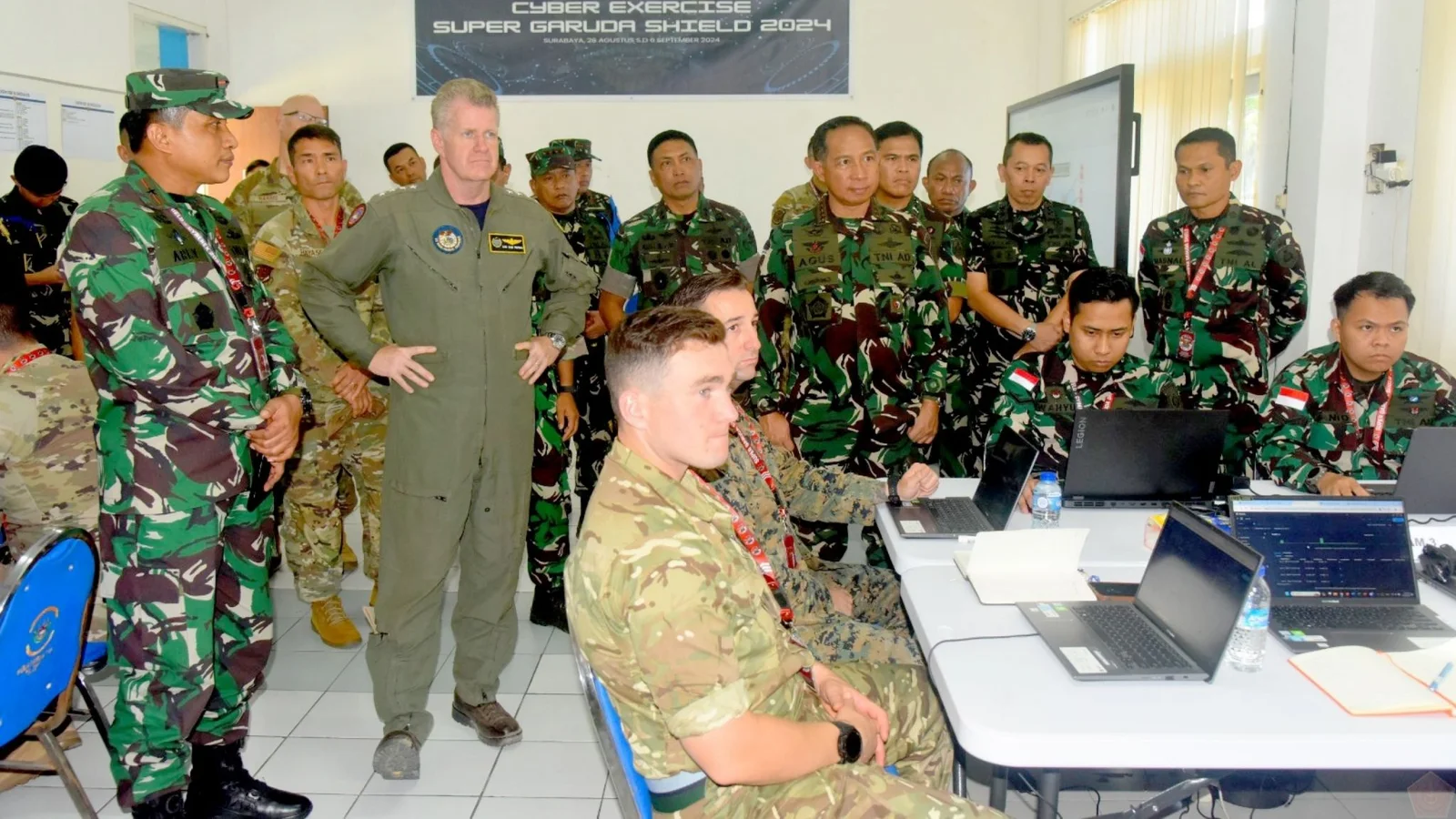
A milestone for Super Garuda Shield and Siberaman#
Siberaman is proud to have contributed to the Cyber Exercise at Super Garuda Shield 2024. This edition marked the first time a Cyber Exercise was included in the history of the multinational program, creating a new setting for participants to test how well they could protect information systems and communications under pressure.
The achievement was meaningful because the new exercise placed cyber defense alongside the other operational disciplines required for modern readiness. Digital infrastructure now supports coordination, logistics, intelligence, communications, and decision-making. Protecting that infrastructure is inseparable from protecting the mission it enables.
Super Garuda Shield 2024 took place in Indonesia from 26 August to 6 September. Public information from the Indonesian National Armed Forces and the United States Army confirms that the Cyber Exercise was included among the exercise activities, while U.S. Army reporting described it as the first Cyber Exercise in Super Garuda Shield history.
Siberaman's contribution to the exercise#
Within the authorized exercise environment, Siberaman contributed hands-on cybersecurity expertise to a defensive scenario involving a designated institution. Our role included implementing encryption and controlled interception protocols, then helping defend the environment against simulated attacks representing an external or foreign threat actor.
This was a training operation, not a claim about a real-world intrusion or a real foreign government. The adversarial activity was part of the exercise scenario, designed to challenge participants and create realistic conditions for technical analysis, coordination, and response.
The work included deploying security controls, maintaining protected communications, preserving visibility into relevant traffic, recognizing suspicious behavior, and responding without losing sight of the institution's operational needs. Security had to support the mission rather than become an obstacle to it.
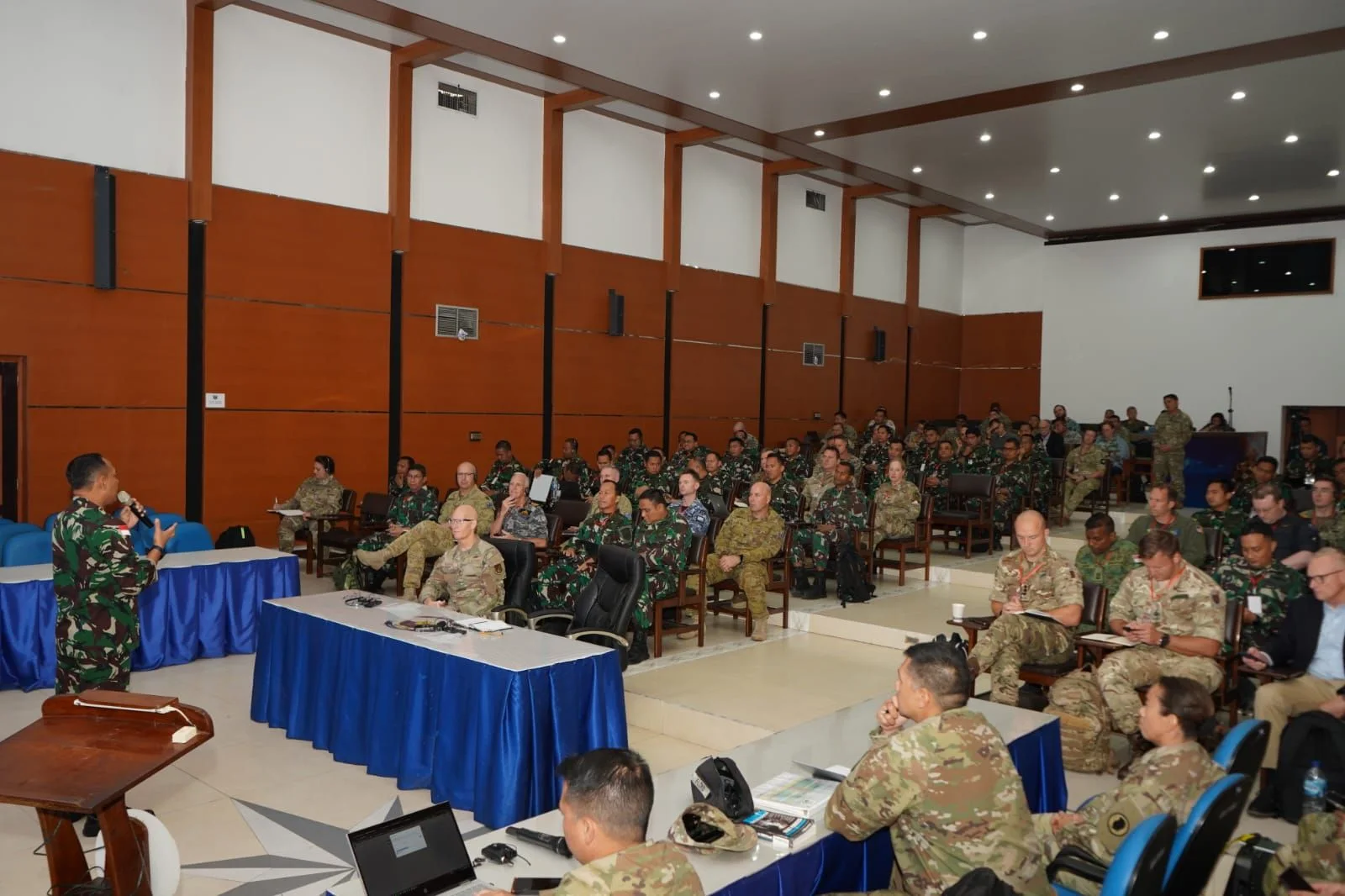
Encryption and interception serve complementary goals#
Encryption and interception can appear contradictory: one protects information from being read, while the other provides visibility into communications. In a properly governed defensive environment, however, they address complementary requirements.
Encryption protects the confidentiality and integrity of sensitive data while it is stored or transmitted. It reduces the value of information captured by an unauthorized party and helps participants verify that communications have not been altered. Effective implementation also depends on sound key management, identity verification, access control, and procedures for replacing credentials when compromise is suspected.
Controlled interception supports defensive monitoring within the boundaries of the exercise. It allows authorized analysts to examine relevant signals, recognize suspicious patterns, reconstruct activity, and provide evidence for incident response. Such capability must always have a defined scope, lawful authority, strict access restrictions, auditable use, and secure handling of collected information.
Confidentiality and visibility must be designed together. A network that encrypts everything without a defensive monitoring strategy can leave responders blind. A network that collects everything without safeguards can create unacceptable security and privacy risks.
Resilience is tested through pressure and uncertainty#
A cyber range or field exercise creates conditions that are difficult to reproduce through classroom discussion alone. Participants must interpret incomplete information, distinguish normal activity from an attack, prioritize limited resources, and coordinate actions while the scenario continues to evolve.
The value comes from testing the entire response system:
- Whether defensive controls behave as expected under realistic conditions.
- Whether analysts can recognize and validate malicious activity.
- Whether technical teams can communicate findings clearly to decision-makers.
- Whether different organizations use compatible terminology and procedures.
- Whether containment actions protect the mission without causing unnecessary disruption.
- Whether evidence is preserved for analysis and lessons learned.
- Whether the team can recover securely and confirm that the threat has been removed.
A successful defense is therefore not measured only by blocking an attack. It is also measured by how quickly the team understands the situation, how safely it acts, how effectively it works across organizational boundaries, and how much it improves after the exercise.
Multinational collaboration strengthens cyber readiness#
Super Garuda Shield is built around partnership. The 2024 program brought together Indonesia, the United States, and participating partner nations across a broad range of joint activities. The Cyber Exercise extended that collaboration into the digital domain.
Cyber threats do not respect national borders or organizational charts. An incident may involve infrastructure, service providers, software, identities, and data distributed across several jurisdictions. Responders must be able to exchange information securely, understand one another's assessments, and coordinate action without creating additional risk.
Working with participants from different professional and national backgrounds exposed teams to different methods, assumptions, and strengths. That exchange is valuable because resilience grows when procedures are tested with partners before a real emergency occurs. Exercises provide a controlled opportunity to discover gaps in interoperability and correct them while the consequences remain manageable.
The human element remains decisive#
Cybersecurity exercises naturally involve tools, networks, encryption, monitoring, and technical indicators. Yet the decisive factor is still the people operating them.
The successful execution of the Cyber Exercise depended on teamwork: analysts sharing observations, defenders verifying evidence, coordinators setting priorities, and participants trusting one another enough to communicate uncertainty. No single individual could see the entire scenario. The operational picture emerged from many people contributing what they knew.
The experience produced several practical lessons for Siberaman:
- Clear communication is a security control.
- Technical evidence must be translated into operational consequences.
- Roles and escalation paths should be understood before an incident.
- Defensive actions require both speed and disciplined verification.
- Diverse teams often identify risks that a single perspective misses.
- Lessons learned are valuable only when they lead to changed procedures and repeated practice.
The first Cyber Exercise creates a foundation#
Introducing the Cyber Exercise into Super Garuda Shield recognizes that national defense and cyber defense are increasingly connected. Communications, logistics, sensing, command systems, and public infrastructure all depend on digital trust.
The first iteration also establishes a baseline. Future exercises can build on it with more complex scenarios, clearer performance measures, broader interoperability objectives, and stronger connections between technical response and operational decision-making. Repetition is essential: readiness cannot be established through one successful exercise and then assumed to remain permanent.
For Siberaman, participation was an opportunity to contribute, learn, and test our capabilities in a demanding collaborative environment. It strengthened our understanding of how defensive technology, operational discipline, and multinational teamwork must function together.
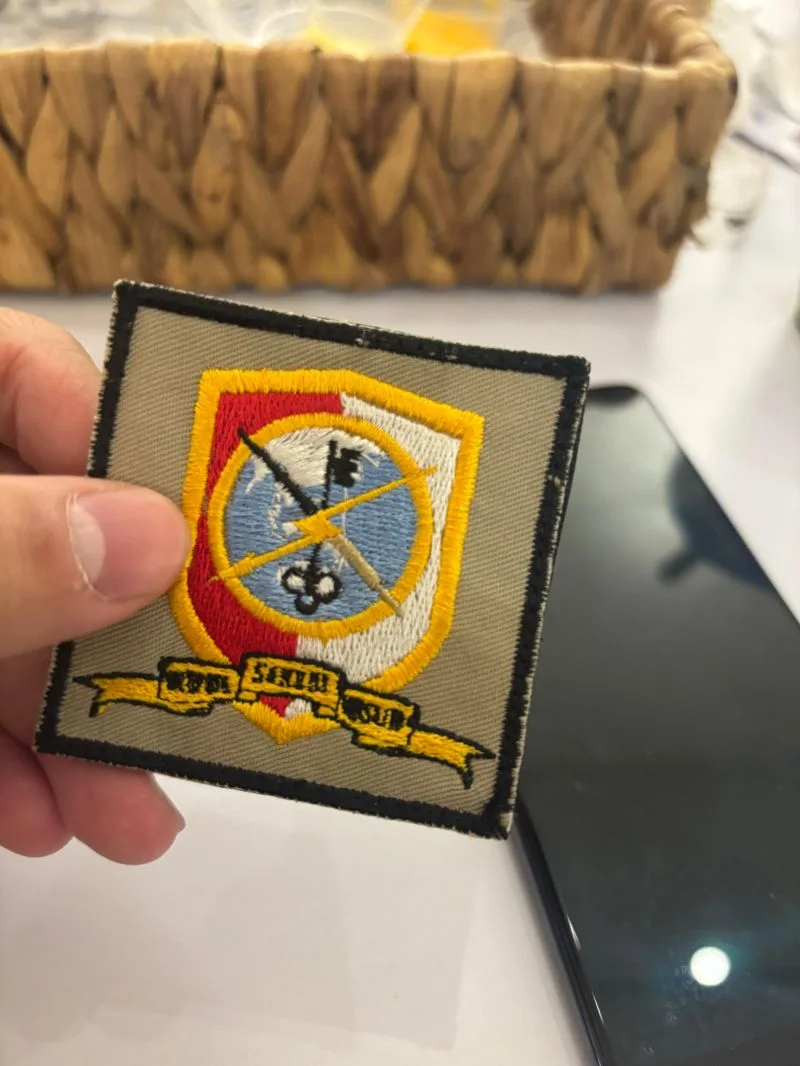
Responsible communication after a Cyber Exercise#
Sharing an achievement must not expose the systems the exercise was intended to protect. For that reason, this article describes objectives and lessons without publishing institution-specific architecture, keys, traffic details, detection logic, attack procedures, vulnerabilities, or other operationally sensitive information.
This balance matters. Public communication can demonstrate progress, recognize collaboration, and encourage cybersecurity education. Operational details, however, should remain limited to authorized participants and appropriate reporting channels.
Continuing the mission of cyber resilience#
Completing our role in the first Cyber Exercise of Super Garuda Shield was an important milestone for Siberaman. We are grateful to the organizers, participants, technical teams, and partners whose collaboration made the exercise possible.
The experience confirmed that cyber resilience is not a product that can be installed once. It is a capability built through preparation, secure design, realistic testing, trusted partnerships, and the willingness to learn from every scenario.
Siberaman will carry those lessons forward. The next challenge may involve different technology and a different threat, but the foundation remains the same: protect critical information, maintain operational visibility, collaborate across boundaries, and prepare before a real incident demands it.
Continue exploring
Related articles
Cybersecurity
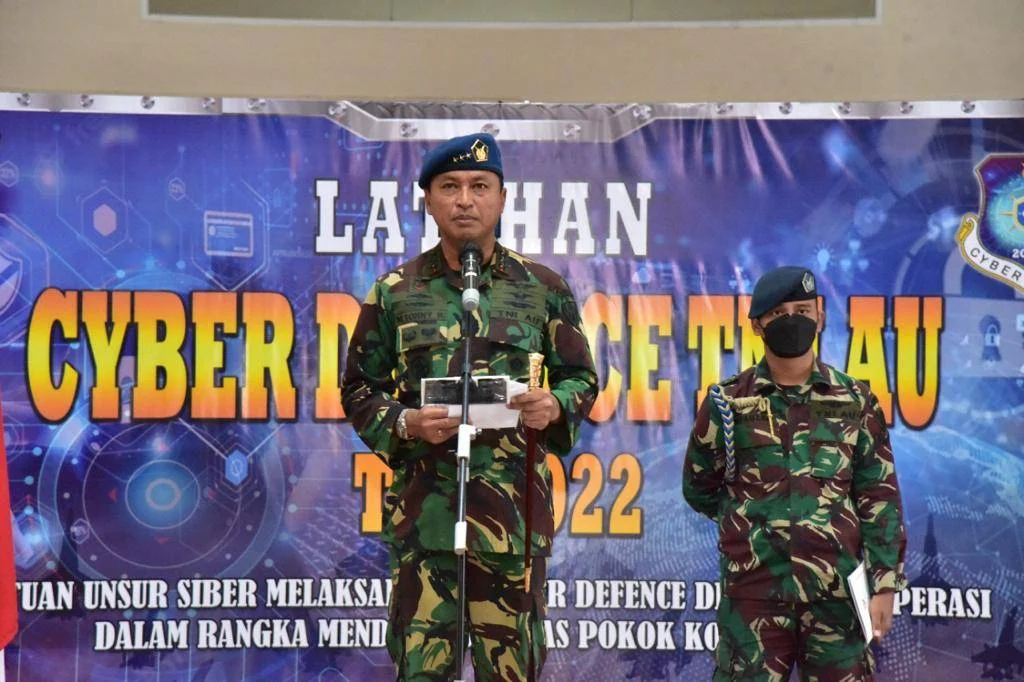
Siberaman at the Indonesian Air Force Cyber Defence Exercise 2022
Siberaman took part in the Indonesian Air Force Cyber Defence Exercise 2022, an important opportunity to strengthen practical readiness, professional competence, and collaboration against evolving digital threats.
Knowledge for a better understood world.

Cybersecurity
reNgine: Orchestrating Multiple Tools for Better Web Reconnaissance
reNgine turns a collection of specialized security tools into a configurable reconnaissance workflow, helping testers expand coverage, correlate results, and monitor changes without mistaking automation for proof.
Knowledge for a better understood world.
Cybersecurity
Cybersecurity Is Everyone's Responsibility
Strong cybersecurity depends on informed people, trusted and updated software, continuous security testing, and decisive credential recovery after an incident.